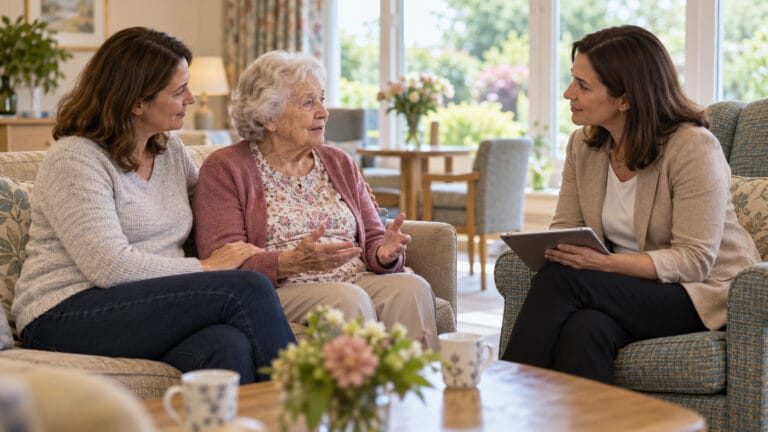

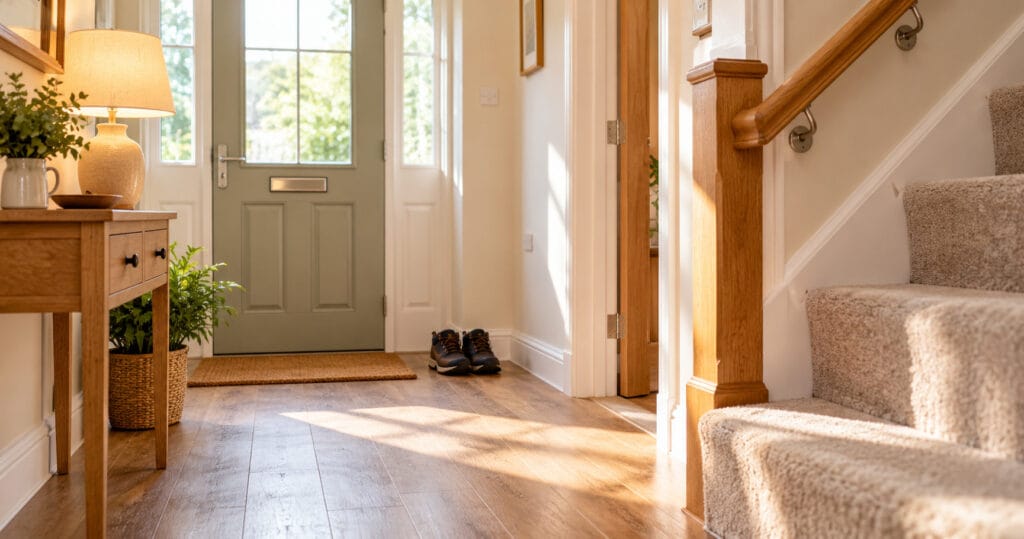
A stumble that gets waved off with “I’m fine, don’t fuss” is one of the more common near-misses families hear about only after the fact, if at all. It’s worth taking seriously, not because every stumble signals disaster, but because falls become a genuinely bigger risk as people get older, and a few small, unglamorous changes can meaningfully reduce that risk.
Why falls risk increases with age
A combination of factors, including changes in balance, strength, vision and sometimes medication side effects, means falls become both more likely and more consequential with age. None of this is really about frailty in some vague sense; it’s specific, physical, and largely addressable.
Simple changes around the home
A few practical adjustments make a genuine difference:
- Better lighting, particularly on stairs and in hallways, where poor visibility is a common contributing factor
- Removing or securing loose rugs and reducing clutter along regular walking routes
- Keeping frequently used items within easy reach, rather than requiring stretching or climbing to access them
The right footwear makes a difference
Well-fitting, supportive shoes with a proper grip make a bigger difference than most people expect, considerably more than slippers with a smooth or worn sole, which are a common and easily overlooked risk factor.
Don’t forget sight tests
Vision changes gradually enough that people often don’t notice how much it’s declined, and a missed or overdue sight test can be a genuinely significant, easily fixed contributor to falls risk. A regular check, and wearing the right glasses consistently rather than only for reading, is worth prioritising.
If falls have already started happening
If a fall has already occurred, or near-misses are becoming frequent, it’s worth raising this with a GP directly rather than relying on general advice alone. A proper falls-risk assessment can identify specific, individual contributing factors that a general article like this one simply can’t.
Small steps, genuine protection
None of the changes above require major expense or upheaval. Most are the kind of thing that can be sorted in an afternoon, and the payoff (genuinely reduced risk, and often reduced anxiety too, for both the person themselves and their family) tends to be worth far more than the effort involved.